Organizing Your Closet: A Room-by-Room Approach
Learn how to sort, fold, and arrange clothes so you can actually find what you're looking for.
Under-bed drawers, wall-mounted cabinets, and corner solutions. We've tested the ones that really work in tight spaces.

You've probably tried the usual suspects — closet organizers, storage bins, hanging shelves. But there's a whole category of smart storage solutions that most people overlook. We're talking about the hidden, overlooked spaces in your home that can genuinely change how much stuff you can fit without making everything feel cramped.
The real trick isn't buying more storage furniture. It's finding those dead zones — under beds, inside walls, awkward corners, behind doors — and using them strategically. We've spent months testing different approaches in actual Kaunas homes, and we're sharing what actually works versus what just takes up space.
Solutions that don't eat into your living space. Most people gain 25-40% extra storage capacity without expanding their footprint.
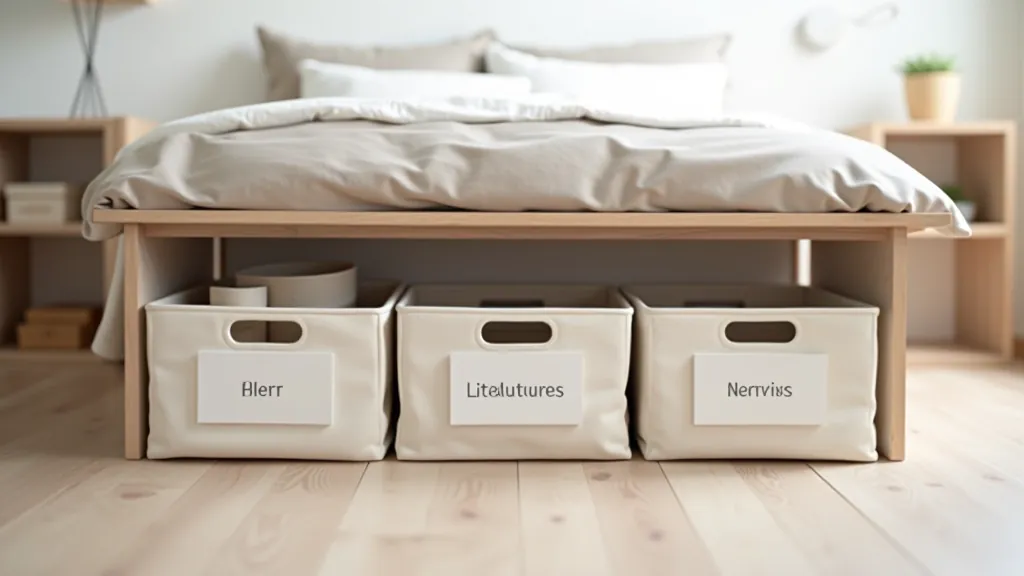
Here's what surprises people: most under-bed space goes completely unused because standard bed frames sit too low. You need to actually measure your bed's clearance first. If you've got 10 inches or more, you're in business. Less than that? You'll need a lower-profile solution.
The containers matter more than you'd think. Plastic drawers with wheels are the obvious choice, but they collect dust like crazy if your room gets any air movement. We prefer fabric boxes with handles — they slide easier, breathe better, and honestly look less industrial when you see them partially sticking out. Most people use under-bed storage for seasonal clothes, extra bedding, or off-season items they access maybe twice a year.
Pro tip: label everything. It sounds obvious, but you'll absolutely forget what's in that third drawer by next winter. Metal label makers cost about 15 euros and save hours of searching. Plus it makes guests less awkward if they need to find something.
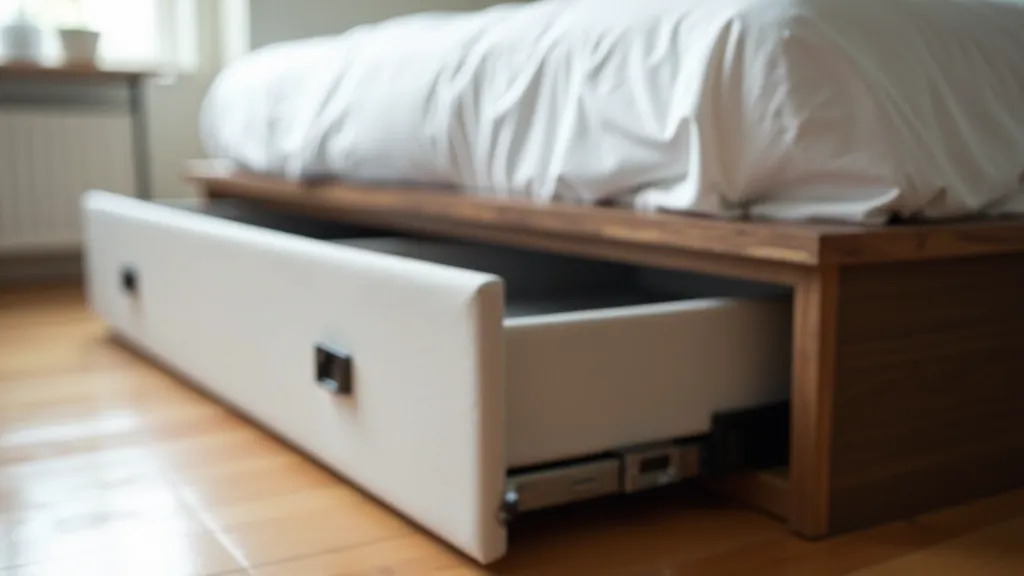
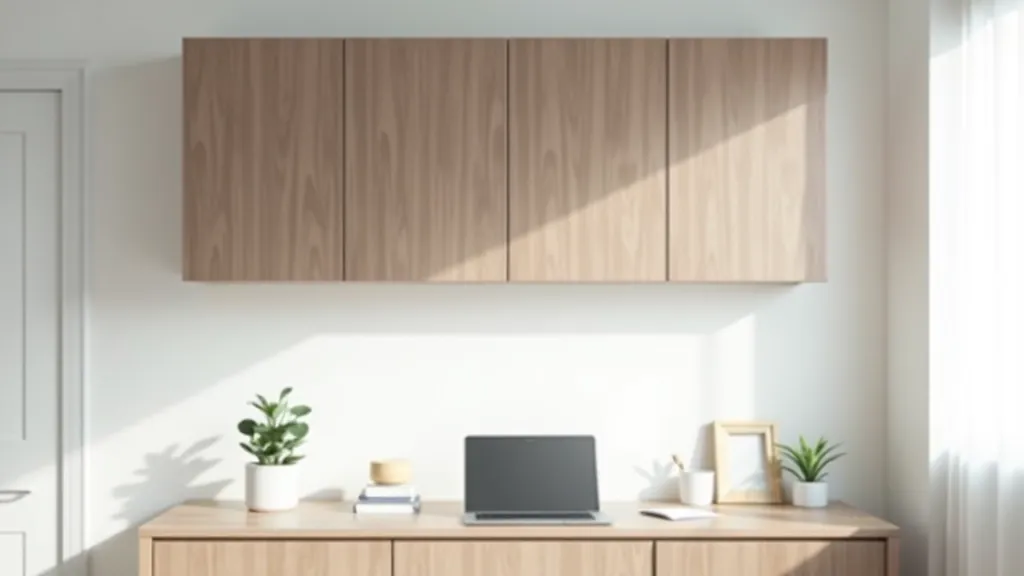
Everyone's got wall space. The question is whether you're using it. Wall-mounted cabinets are game-changers for small apartments and bedrooms where floor space is already at a premium. You're not losing any square footage — you're just claiming space that was doing nothing.
The key is placement. Above desks, next to bedroom doors, or in hallways — these spots get the most use. Avoid high walls unless you're storing stuff you literally never touch. If you're reaching for something weekly, it needs to be between eye level and shoulder height. Anything higher becomes invisible after a month.
Sliding doors beat traditional swing-out doors in tight spaces. They don't jut into the room, and they're quieter. A 60cm wide cabinet with sliding doors can hold everything from office supplies to medications to small kitchen items. Most installations take about 30 minutes if your walls cooperate and you use proper anchors.
Corners are where storage goes to die. They're awkward to reach, hard to organize, and easy to ignore. But that same awkwardness is actually your advantage. Corner shelving units, rotating carousels, or simple triangular cabinets transform spaces that otherwise just collect dust and forgotten items.
In kitchens, corner carousels make sense if you cook regularly. You can actually reach items in the back without dislocating your shoulder. In bedrooms, tall corner shelves give you storage without eating floor space. In living rooms, corner cabinets create storage that doubles as display space for books or decorative items.
The installation matters. A wobbly corner unit drives you insane within weeks. You need proper wall anchors and ideally something that extends to the ceiling — not just a floating shelf that looks precarious. When done right, corner storage feels intentional and actually gets used instead of becoming another forgotten zone.
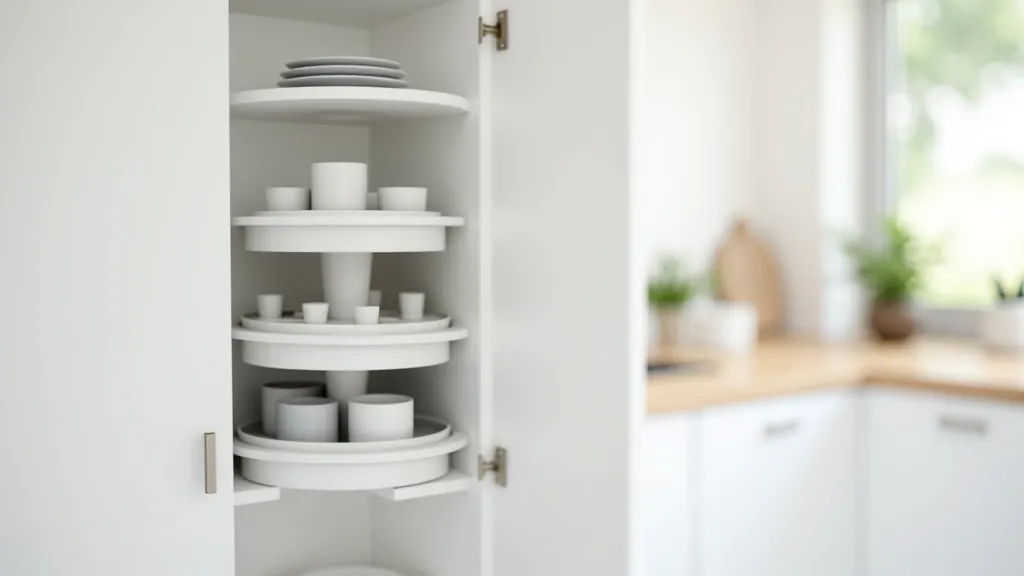
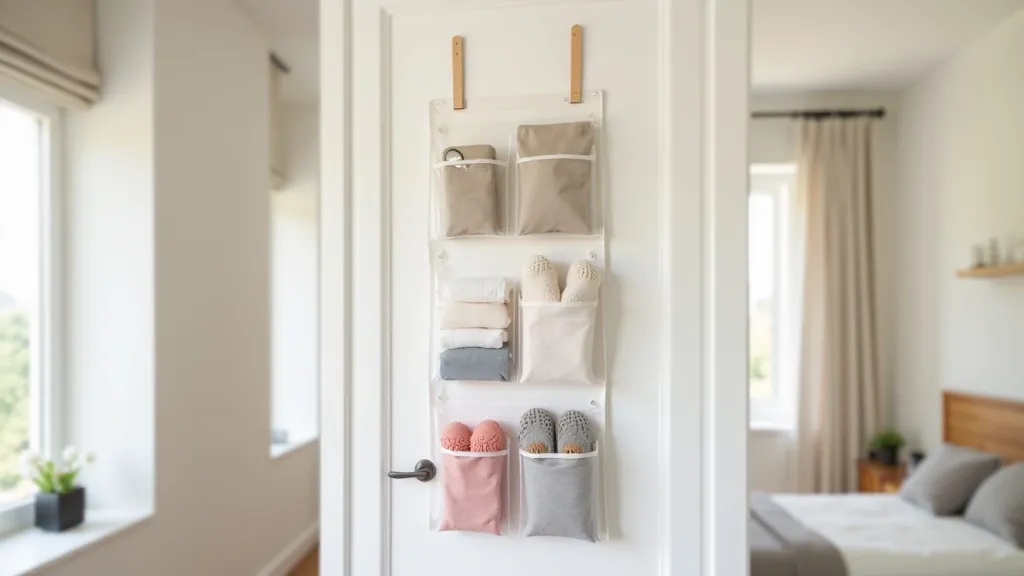
Your bedroom door, bathroom door, or closet door is literally unused storage real estate. Most people overlook it completely, but over-door organizers are some of the most practical solutions we've tested. They're cheap (usually 10-20 euros), installation takes five minutes, and they actually get used because they're right there.
For bedrooms, we like fabric pocket organizers. They hold scarves, belts, socks, workout gear, or anything small that usually ends up scattered. For bathrooms, clear plastic organizers let you see everything at a glance. The weight limit is usually around 5-7 kilos per organizer, so don't get ambitious with heavy items.
One real tip: don't fill every pocket. A crowded organizer looks chaotic and stuff gets hard to find. Keep it to about 60% full so items stay visible and accessible. You'd be amazed how much this simple habit improves daily functionality.
This prevents the disappointment of ordering something that doesn't fit. Measure height, width, depth, and clearance. Write it down. Seriously.
You can see what's inside without opening every box. This saves time and keeps things organized. Dark or opaque containers are storage black holes.
Your future self will thank you. Labels prevent the "I'll remember what's in this" situation that leads to duplicate purchases.
Reserve hidden storage for things you access 2-4 times per year. Daily items should stay visible and within arm's reach.
Just because you have the space doesn't mean you should fill it completely. Breathing room makes items easier to find and removes and shelves last longer.
Cheap shelving units that wobble or drawers that don't slide smoothly get abandoned. Spend a bit more on items you'll use daily.
Hidden storage isn't about hoarding more stuff. It's about using every inch of your home intentionally and keeping the things you actually use accessible without visual clutter. The difference between a calm, organized space and one that feels chaotic often comes down to how well you're using hidden storage.
Start with one area. Pick the space that bothers you most — whether that's your bedroom, bathroom, kitchen, or living room — and tackle it first. Under-bed storage, wall-mounted cabinets, corner solutions, or over-door organizers all work. The key is choosing something you'll actually use and maintaining it once it's installed.
You don't need to overhaul your entire home. Small, strategic changes to how you use hidden spaces compound over time. In three months you'll look around and wonder how you ever lived without that extra capacity. And your future self will absolutely appreciate the organization.
Informational Notice: This article provides general guidance on storage solutions and organizational approaches. Individual results depend on your specific space, building structure, and circumstances. For installations involving wall anchors, drilling, or modifications to your home, consult with a qualified professional to ensure safety and compliance with local building codes. The solutions discussed are based on practical testing and expert experience, but your situation may vary.