Floating Shelves: Maximum Storage in Minimum Space
We show you how to install floating shelves safely and style them so they actually...
Learn how to sort, fold, and arrange clothes so you can actually find what you're looking for in the morning.

Before you can organize anything, you've got to know what you're working with. This means pulling everything out — yes, everything. It sounds dramatic, but it's the only way to see what you actually own and what's just taking up space.
Most people have clothes they haven't worn in years. You'll find duplicate items, things that don't fit anymore, pieces you forgot existed. Don't feel bad about it. The goal isn't guilt — it's clarity. Once you can see everything laid out, organizing becomes way easier.
Create four piles: keep, donate, sell, and trash. Be honest with yourself. If you haven't worn something in a year and it doesn't make you feel good, it's not earning its spot in your closet.
The keep pile should contain pieces you actually wear — items that fit well, make sense with the rest of your wardrobe, and align with your lifestyle. We're not talking about aspirational clothes. We're talking about what you realistically put on your body.
Here's where it gets practical. Organize your keeper pile by category first — all tops together, all bottoms together, dresses separate. This makes getting dressed faster because you're not hunting through everything.
Within each category, arrange by color. Light to dark, or however makes sense to you. The visual order makes a difference. You'll actually see what you have and reach for pieces you might've forgotten about.
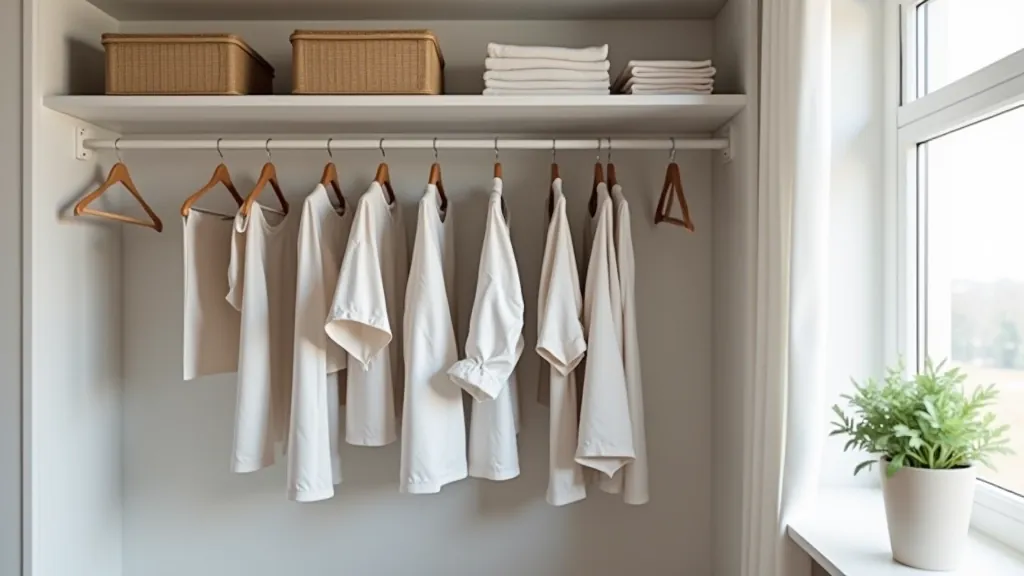
For hanging items, space them properly on the rod. You don't want everything crammed together — clothes wrinkle that way and you can't see individual pieces. Leave about a finger's width between hangers. It takes an extra minute, but your clothes will look better and last longer.
"The best closet is one where you can actually see and reach everything. If you can't see it, you won't wear it — and if you won't wear it, why keep it?"
— Audra Mikulskiene, Senior Home Organization Specialist
Folding isn't just about neatness — it's about space and accessibility. How you fold affects how much you can fit and how easy it is to find things. We recommend the KonMari method or the file-folding technique. Both work great for maximizing shelf space.
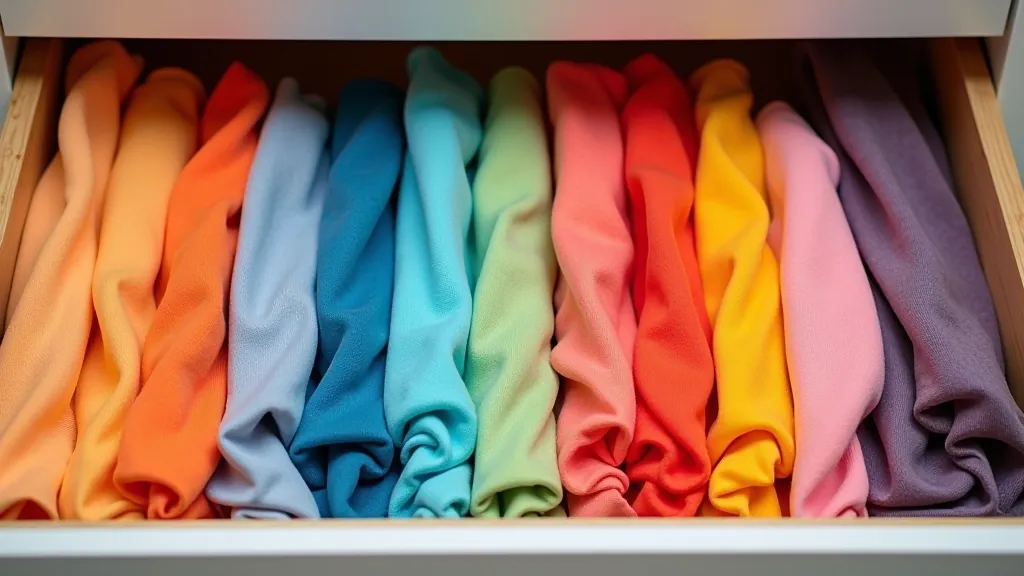
Vertical folding — where you fold clothes so they stand up like files in a drawer — changes everything. Instead of stacking sweaters in a pile where you see only the top one, you can see every single item. It saves space and eliminates that annoying process of moving ten things just to get the one you want.
For drawer space, use dividers or small boxes to keep sections separate. T-shirts in one area, socks in another. Without dividers, everything slides around and gets messy within a week.
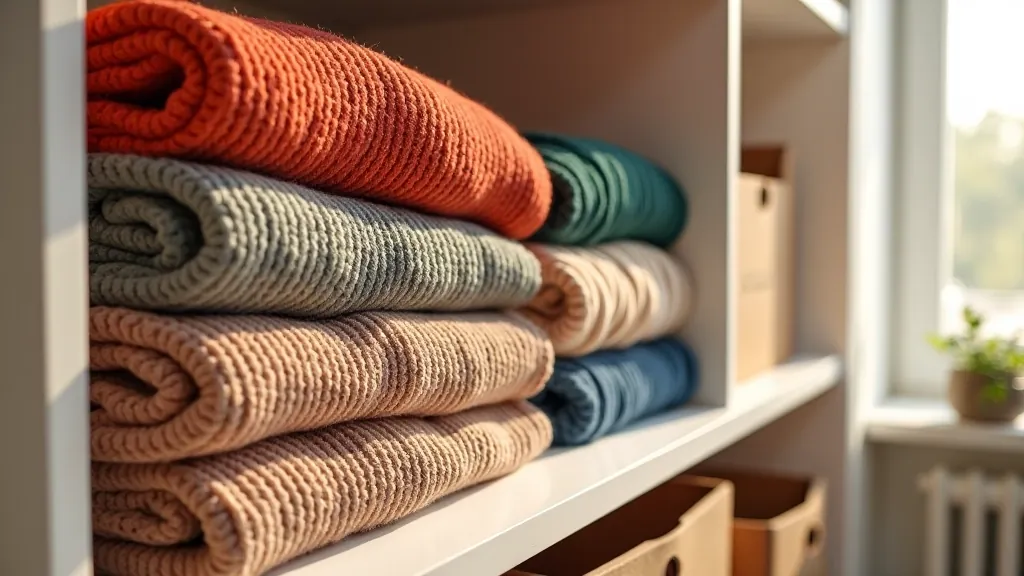
Shelf space works better for items that don't wrinkle easily — sweaters, jeans, casual tops. Group similar items and use shelf dividers to keep piles from toppling over.
Don't keep your entire wardrobe accessible year-round. It's overwhelming and takes up unnecessary space. Most people actually wear about 20% of their clothes regularly. The other 80% is seasonal, sentimental, or aspirational.
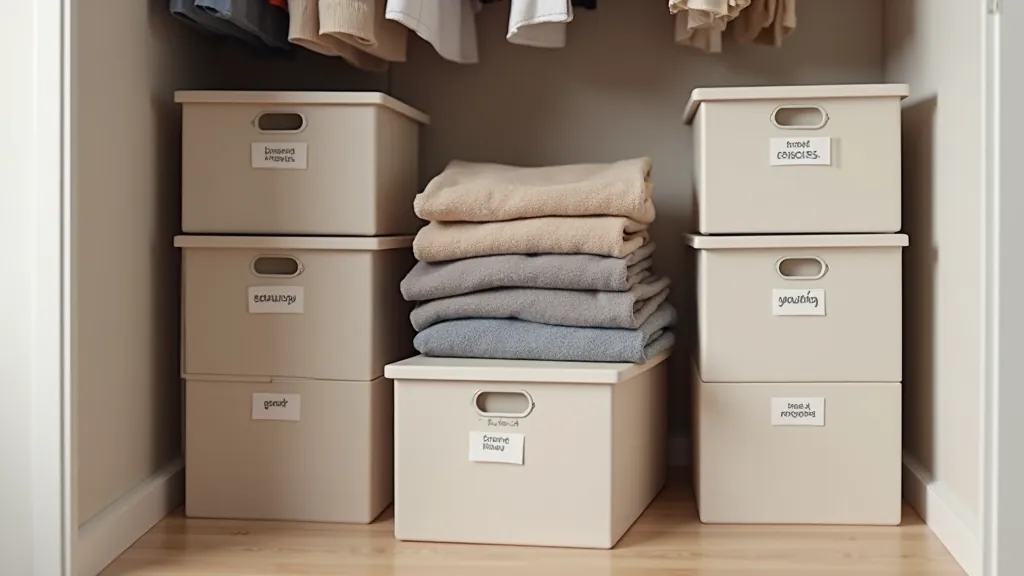
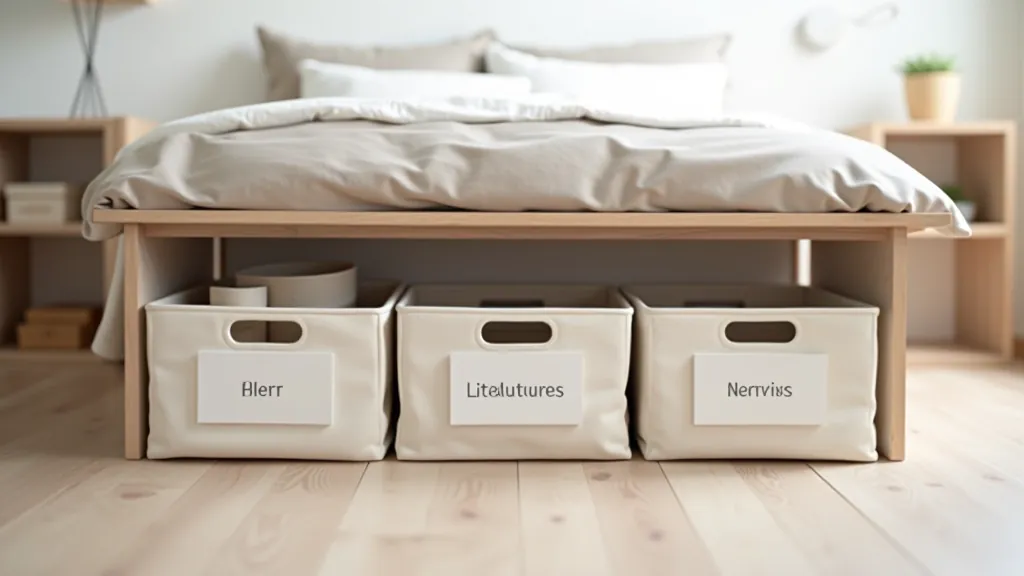
Store off-season items in labeled boxes on higher shelves or under the bed. When seasons change — say, moving from winter to spring — swap out your boxes. You'll have a fresh selection of clothes and you won't feel overwhelmed by options.
Before storing seasonal items, make sure they're clean. Stains set over time and moths love dirty clothes. A quick wash or dry clean protects your investment and keeps storage areas fresh.
Every 3-4 months, do a quick review. Pull out pieces you didn't wear. Just because something's in your rotation doesn't mean you actually like it. Better to notice now than six months from now when it's back in season.
A well-organized closet doesn't stay that way by accident. Spend 10 minutes a week doing a quick tidy — returning hangers to the same direction, refilling dividers, checking for items that need to move to donation. It's easier to maintain than to overhaul again.
The real benefit isn't Instagram-perfect shelves. It's waking up and actually being able to find clothes you love. It's getting dressed faster. It's knowing exactly what you own and wearing things intentionally instead of by default.
When you can see everything, you make better choices. You buy less because you know what you already have. You wear more of what you own. And mornings become way less stressful.
This article provides general organizational strategies and best practices for closet management. The techniques described are suggestions based on common organizing principles and may work differently depending on your space, lifestyle, and preferences. Results vary based on individual circumstances. Always consider your specific living situation, available space, and personal needs when implementing these strategies.